Introduction
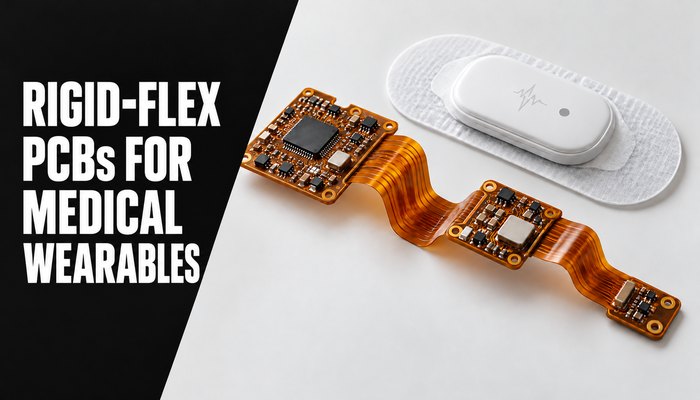
If you design wearable medical devices, you need to fit reliable electronics into a small, comfortable product. Rigid-flex PCBs combine solid board sections with flexible connections. This design helps engineers fit electronics into tight spaces and create comfortable devices for daily health monitoring and many other medical uses.
What Are Rigid-Flex PCBs?
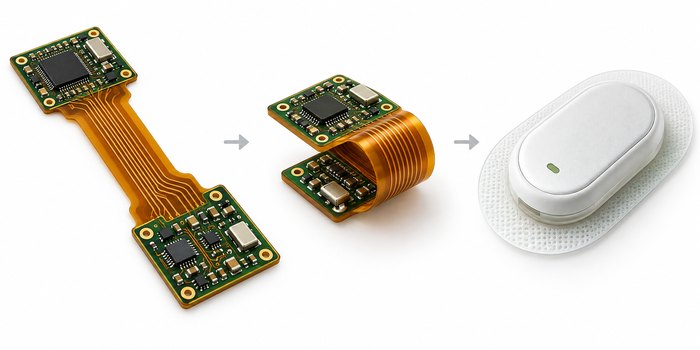
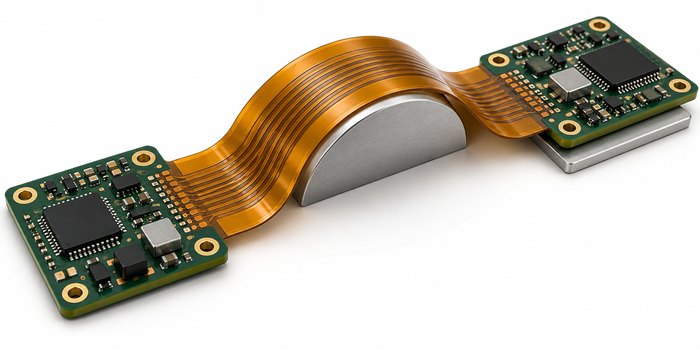
Rigid-flex printed circuit boards, or PCBs, combine rigid and flexible sections in one board. The rigid sections hold parts such as sensors, processors, and memory chips. The flexible sections connect these areas and allow the board to bend or fold where needed.
This design reduces the need for separate cables and connectors between boards. It saves space and can reduce connection problems inside a device.
The flexible sections often use a material called polyimide. It can handle bending and heat, but the board must be designed for the movement it will face. Some boards fold during assembly, while others need to bend many times during use.
Why Use Rigid-Flex PCBs in Wearable Medical Devices?
Wearable devices need to be small, comfortable, and reliable. Rigid-flex PCBs help engineers meet these needs by fitting connected electronic parts into a compact design.
Compact Design and Miniaturization
Wearable devices have limited room for sensors, batteries, processors, and wireless parts. Rigid-flex PCBs can fold into shapes that make better use of this space.
They also reduce the need for separate cables and connectors. This can help make devices such as hearing aids and health patches smaller and lighter.
Improved Reliability
Movement can place stress on cables and connectors inside a wearable device. Over time, these connections may loosen or fail.
Rigid-flex PCBs connect board sections through built-in flexible circuits. Fewer separate connections can reduce some causes of failure. Careful design and testing are still needed to help the device work reliably during daily use.
Better Patient Comfort
A bulky or heavy device can be uncomfortable to wear for long periods. Rigid-flex PCBs give engineers more freedom to create thin, light devices that fit close to the body.
Their flexible sections can fit inside curved cases worn on the wrist, chest, or arm. This can improve comfort and make it easier for patients to keep wearing the device.
Key Applications
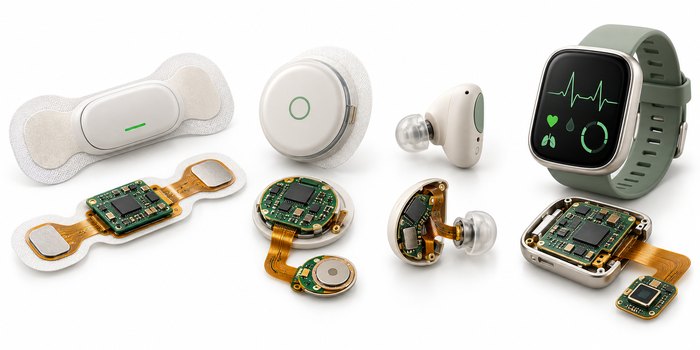
Wearable medical devices use sensors, processors, and wireless components in small spaces. Rigid-flex PCBs can help arrange these parts while reducing separate interconnects.
Wearable Vital Sign Monitors
Wearable health monitors track signals such as heart rate, blood oxygen, and body temperature. They use sensors, processors, and wireless parts to collect and share readings.
Rigid-flex PCBs help arrange these parts inside small devices that are easy to wear throughout the day.
Wearable ECG and Biosensor Patches
Wearable ECG patches record the heart’s electrical activity. Other biosensor patches collect different health signals while a person goes about daily activities.
Rigid-flex PCBs can help connect sensors to other electronic parts within a thin patch. Their flexible sections also give engineers more freedom to shape the device for a comfortable fit.
Continuous Glucose Monitoring Systems
Continuous glucose monitors, or CGMs, track glucose levels throughout the day and night. They use a sensor and electronic parts to collect readings and send them to another device.
Rigid-flex PCBs can help fit these parts into a small unit worn on the body.
Hearing Aids
Hearing aids need to fit microphones, sound processors, and other parts into a very small case. Rigid-flex PCBs can fold around the space available inside the device.
This helps engineers create compact hearing aids with fewer separate wires and connectors.
Rehabilitation and Motion Tracking Devices
Wearable rehabilitation devices use motion sensors to track how a person moves during recovery. They can share movement data with patients or healthcare teams.
Rigid-flex PCBs help connect sensors and wireless parts inside body-worn devices. Sections designed for repeated bending can support movement during use.
Essential Design Considerations
Rigid-flex PCBs offer many benefits, but they need careful design. Engineers must plan how the board will bend, manage heat, and work with the manufacturer to avoid problems.
Mechanical Stress and Bend Radius
Bending a flexible section too sharply can damage its copper paths. These paths carry electrical signals between parts of the board. Repeated bending can also cause damage over time.
Set the bend radius for your flex stackup and expected number of bend cycles, using your manufacturer’s limits. Protect the areas where rigid and flexible sections meet. A board folded once during assembly has different needs from one that bends often during use. The IPC board design standards cover flexible and rigid-flex board design.
Thermal Management
Small wearable devices have little space for heat to escape. Processors, batteries, and other parts can produce heat as they work.
Engineers must arrange these parts carefully and provide ways for heat to spread or escape. Good heat control helps protect the electronics and keeps the device comfortable against the skin.
Manufacturing Complexity
Making a rigid-flex PCB is more complex than making a standard rigid board. The rigid and flexible materials must join correctly, and the copper paths must stay connected.
Engineers should discuss materials, board layers, and bend areas with the manufacturer early. This helps catch design problems before production and supports accurate fabrication and assembly.
Conclusion
Rigid-flex PCBs help make wearable medical devices smaller, lighter, and easier to wear. They connect electronic parts while allowing flexible sections to fit tight spaces. Careful design, manufacturing, and testing are needed for reliable performance. With these steps, rigid-flex PCBs can support comfortable devices for everyday health monitoring and care.
For related design examples, read our guide to flex PCB for medical applications.
MV Flex Circuit specializes in flexible and rigid-flex PCB fabrication and assembly, backed by more than 20 years of manufacturing experience. We have rich project expertise in wearable medical devices. Our factory supports flex PCBs up to 8 layers and rigid-flex PCBs up to 20 layers, capable of manufacturing your complex designs.
Send your Gerber files for your upcoming project. Our engineering team will provide a free DFM check and quotation.