Introduction
Printed Circuit Board (PCB) is the foundation of your electronic designs. As technology advances with smaller and more complex devices, you require the correct kind of board. This guide compares Rigid-Flex PCB vs Traditional PCB. Knowing their differences can assist you in making the best decision for your project.
Rigid-Flex PCB
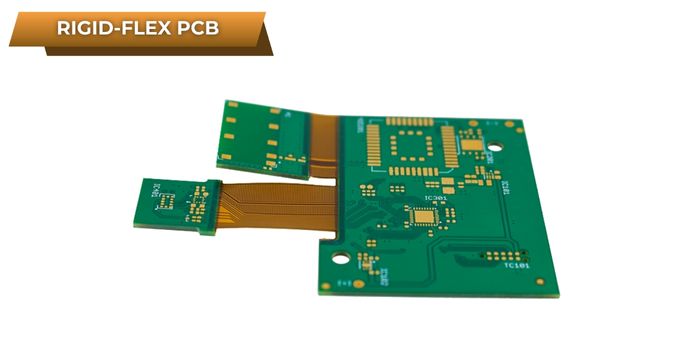
So, what exactly is a rigid-flex PCB? Think of it as a hybrid circuit board that’s the best of both worlds. It combines flexible circuits made from materials such as polyimide with standard rigid FR-4 sections into one unified board. This unique structure enables you to develop three-dimensional design, without the need for bulky connectors and cables.
Physical Flexibility
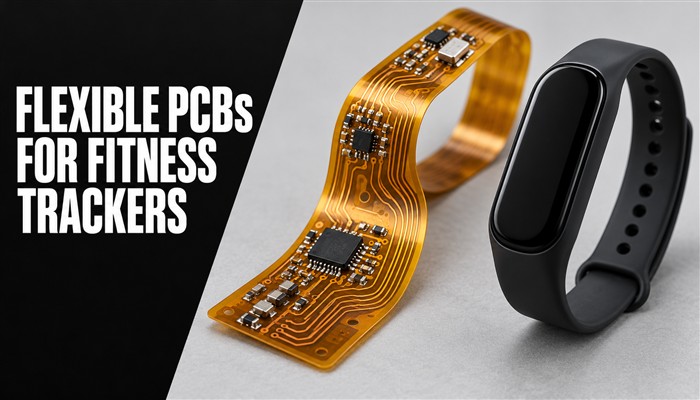
One of the most important benefits of a rigid-flex PCB is that it can be bent and folded into complex shapes. This allows you to create compact, three-dimensional electronic assemblies. You can place high-density components on the stable, rigid sections. The flexible areas can act as built-in connectors, routing signals through tight spaces where rigid boards could not fit.
Space-saving
You can reduce your product’s total size and profile by using a single rigid-flex board. This type of design removes the space usually taken up by several boards, cables, and connectors. You can produce smaller, more streamlined products by eliminating these rigid PCB limitations. This is essential for today’s electronics, such as wearables and compact cameras.
Lightweight
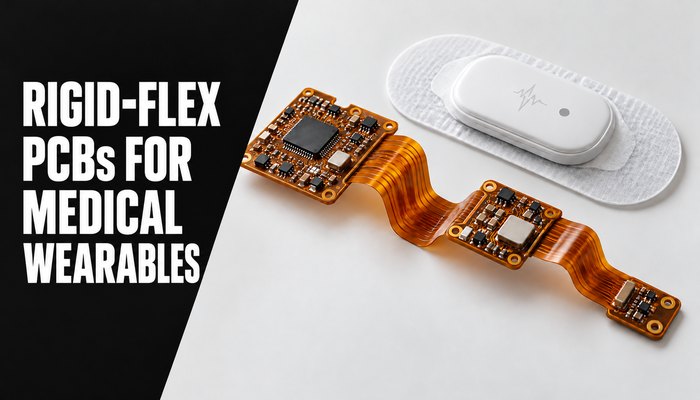
When you replace several boards and their connecting hardware, you significantly reduce the overall weight of your assembly. Removing heavy wiring and connectors is a main reason rigid-flex designs are much lighter. This makes them the ideal solution for rigid-flex PCB applications where every gram matters, for example, in drones, satellites, and portable medical devices.
Reliability
You achieve excellent reliability in the rigid-flex PCB by avoiding potential failure points, such as solder joints and connector contacts. The interconnections are etched into the substrate and are protected by ultra-thin, flexible layers, resulting in an exceptionally great and robust interconnect system. The boards are reliable, specially in critical applications such as military, aerospace, and aviation systems.
Excellent Electrical Properties
You get better signal integrity with rigid-flex circuits. In contrast to the use of cables, the electrical paths are directly integrated, offering controlled impedance and reduced signal paths. Having the direct connection, your signals transmit without delay or interference. The result is great, consistent electrical performance that you can rely on for high-speed applications.
Mechanical Strength
These boards are built to withstand challenging environments. The integrated construction is more resilient and resistant to shock and vibration than assemblies with individual boards and connectors. This embedded mechanical strength protects your device from physical stress. You can use rigid-flex PCBs securely in rugged industrial or automotive applications where durability is a must.
Traditional PCB

You are probably most familiar with traditional rigid PCBs, the standard in most electronics. These boards are built on a solid, non-flexible substrate material called FR-4. Depending on how complicated your design is, you can order them as single, double, or multi-layer boards.
Excellent Reliability
You can be sure of the reliability of rigid PCBs for most applications. Their FR-4 material, which is a flame-retardant epoxy, is a good electrical insulator. It has high heat resistance and will absorb very little water. This makes your board durable and reliable. Furthermore, it is entirely compatible with modern lead-free components.
Superior Mechanical Processability
FR-4 is extremely convenient to work with in production. It’s easy to drill small, accurate holes without cracking or damaging. You can also profile and punch it into custom shapes for your specific design. This makes it possible to laminate numerous layers, so you can achieve complex boards with up to 20 layers of copper.
Cost-Effectiveness
If your project has a limited budget, rigid PCBs are an excellent option. The FR-4 material they use is inexpensive and common as compared to other materials like ceramic or polyimide. It is because of this huge difference in cost that you will find them being used in most consumer electronics. This is a huge advantage, particularly for high-volume production runs.
Compatibility with Other Materials
You are not limited to designing with standard FR-4. This material can be blended with other substrates, such as ceramics or polyimide, to meet particular requirements. It can even be reinforced to create upgraded versions for more demanding applications. This provides you with access to alternatives such as high TG or high-speed FR-4 materials.
Established Manufacturing Process
FR-4 board manufacturing is very mature and well-established. This means that there is expertise in each step, from drilling and plating to soldering and testing. As a result, you can expect reliable quality and consistent results from your manufacturer.
Key Differences Between Rigid-Flex PCB vs Traditional PCB
Though both boards connect your components, their structure, flexibility, and manufacturing are significantly different. The decision of which one to use relies on the specific mechanical and electrical requirements of your project. Knowing the trade-offs in terms of cost and reliability is important in making the best decision.
Structure and Materials
- Traditional PCB: When you’re designing with a traditional rigid PCB, you’re using one solid substrate, such as FR-4, throughout the whole board. This consistent structure gives great stability and support to all your mounted components. The board is built from one or more layers of this single rigid material.
- Rigid-Flex PCB: In contrast, a rigid-flex PCB combines various materials into a single integrated circuit. You use FR-4 in the rigid sections where the components are mounted. For parts that need to bend, you use a durable and flexible polyimide film. This produces a hybrid board with the strengths of both.
Flexibility and Form Factor

- Traditional PCB: The most obvious limitation of a rigid PCB is that it is completely inflexible. Once you build your board, your board will remain in a fixed flat shape. This restricts your design options to planar configurations, unless you use external cables to connect multiple boards.
- Rigid-Flex PCB: The major benefit of a rigid-flex PCB is that it can be bent and folded. This means you can produce compact, three-dimensional assemblies that are beyond the capabilities of traditional boards. You can design your circuit to fit perfectly into the complex contours of a product enclosure, saving valuable space.
Interconnectivity
- Traditional PCB: In order to connect multiple rigid PCBs together, you have to use individual connectors and cables. This increases your weight, size, and complexity in your final assembly. Every one of these individual connection points also adds a possible point of failure into your system.
- Rigid-Flex PCB: One of the major differences between rigid and rigid-flex PCB is the way they deal with connections. In the case of a rigid-flex design, the flexible areas serve as integrated cables. This means most of the external connectors are not needed, making your design process and assembly much easier. The end product is usually lighter and more compact.
Manufacturing Complexity
- Traditional PCB: You benefit from mature and highly standardized manufacturing process when you choose rigid PCB. The equipment and the processes are designed to favor this type of board. This efficiency translates to consistently high yields and ensures your production costs remain low, especially at high volumes.
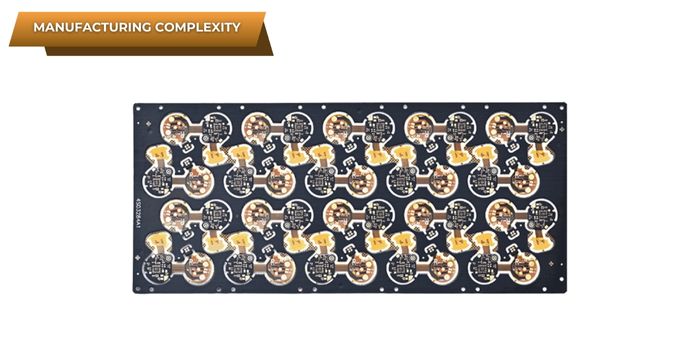
- Rigid-Flex PCB: The manufacture of a rigid-flex PCB is a far more complex process with special equipment and expertise requirements. You have to handle multiple types of materials within one board and accurately register the layers on top of each other. The extra complexity has longer lead times in manufacture and higher costs per board.
Cost
- Traditional PCB: Because of straightforward materials and a mature process, a rigid PCB typically costs much less on a per-unit basis. If your biggest priority is to reduce the cost of the board itself, this is usually your best option. The low cost makes it ideal for high-volume consumer electronics.
- Rigid-Flex PCB: The initial rigid-flex PCB cost is higher due to the special materials and complex fabrication steps. However, you have to look at the overall system cost. By reducing individual connectors, cables, and the labor to assemble them together, a rigid-flex design can sometimes be the better bottom-line choice.
Design Considerations
- Traditional PCB: The design of a rigid PCB is a straightforward process following well-documented industry guidelines. You can use standard design tools and rely on widely known practices. This reduces the design time and makes the process less prone to unexpected difficulties.
- Rigid-Flex PCB: When working with rigid-flex, you need to follow specific rigid-flex PCB design guidelines. You need to consider minimum bend radius, stress concentration points, and stiffeners usage. These requires more advanced knowledge and advanced planning in order to make your design functional and reliable.
Reliability
- Traditional PCB: Rigid PCBs are highly reliable in static applications. However, the connectors between them may wear out over time. They are prone to failure due to shock, vibration, or repeated connection cycles, potentially compromising the long-term performance of your system.
- Rigid-Flex PCB: The integrated nature of rigid-flex connections significantly improves reliability. By eliminating numerous mechanical connectors, you remove potential points of failure. This improves the rigid-flex pcb reliability in applications with movement or high-vibration environments, resulting in a stronger and more durable product.
Application
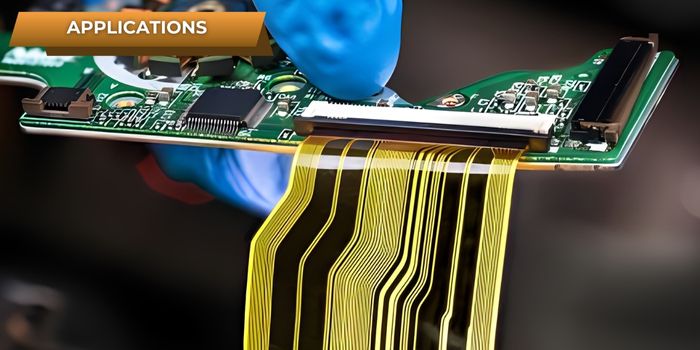
- Traditional PCB: You can use a traditional rigid PCB when stability and affordability are important, but size and flexibility are not. They are the best fit for products with sufficient space and standard layouts. Most rigid PCB applications are:
- Consumer Electronics: You can find them in desktop computers, laptops, and TVs where a stable, flat board is all needed.
- Industrial Equipment: You can use them for control equipment and machinery that require high stability and proven reliability in static environments.
- Large-Scale Devices: They are ideal for large electronics such as digital signs and appliances where a simple, unchanging form factor is needed.
- Rigid-Flex PCB: You should use a rigid-flex PCB if your design needs to fit in a small, three-dimensional space or endure movement and vibration. Rigid-flex boards are best suited for high-performance, complex electronics where reliability and high performance are critical. Some of the most important rigid-flex PCB applications are:
- Space-Constrained Devices: You can use them to create compact products such as smartphones, wearables, and portable medical devices.
- High-Reliability Systems: They are needed for aerospace, defense, and automotive electronics, where reliability is needed under harsh conditions.
- Advanced Medical Technology: You will encounter them in life-support devices such as pacemakers and other implants because of their miniature size and high reliability.
What Difficulties Arise in Rigid-Flex Circuit Boards?
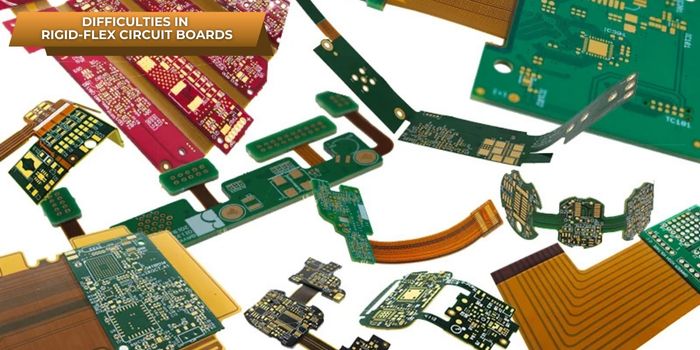
When you choose a rigid-flex circuit board, you will experience a number of special challenges that are not present with regular boards. The process is more complicated and involves detailed planning around the flexible areas. In order to produce a successful and reliable end result, you need to be very careful about the following considerations.
- Complicated Layout Rules: You have to follow particular rigid-flex PCB design guidelines that consider the mechanical stresses of flexing and bending.
- Bend Radius: You should accurately determine the correct bend radius for the flexible areas so that you do not have mechanical failure or signal integrity issues.
- Material Selection: You have to select compatible materials for the rigid and flex sections because thermal expansion differences can lead to reliability issues.
- Component Placement: You are only able to mount electronic components on the rigid sections of the board, so you must plan your layout carefully.
Choosing Between Rigid-Flex and Traditional PCBs
When deciding when to use a rigid-flex PCB, you must look beyond the initial board cost and consider the whole system. Your choice must balance the physical demands of your product with how much you can spend and with what level of long-term reliability you still require. Addressing the following questions will lead you to the best option.
- Application Usage: Does your application require bending, folding, or fitting into a small, unique-shaped area? If so, rigid-flex is frequently used.
- Total System Cost: Would a single rigid-flex board cost less than multiple rigid boards connected together with cables? You need to balance the total cost of components and assembly.
- Reliability Requirements: Does your application have to work in a vibration-intensive environment? The improved rigid-flex PCB reliability from removing connectors might be essential.
FAQs
Will Flex Circuits Replace Rigid Circuit Boards for All Applications?
No, rigid circuit boards won’t entirely be replaced by flexible circuits. The primary reason is cost. Rigid PCBs are much cheaper to build, particularly in high-volume production. Most products employ a hybrid rigid-flex design to get the benefits of both options. This strategy keeps your costs reasonable while offering flexibility only where it is absolutely required.
Conclusion
Selecting the appropriate PCB is all about balancing your project’s unique requirements and price. Traditional rigid PCBs are a straightforward, affordable option for most applications. Rigid-flex PCBs offer unmatched design flexibility and reliability for compact, complex devices.
MV Flex Circuit specializes in manufacturing and assembling flexible PCBs and rigid-flex PCBs—with deep expertise in medical, aerospace, and foldable device projects. For rigid-flex PCBs, we support up to 20-layer fabrication.
If you need these solutions, send your Gerber files to us. We’ll provide a free DFM check and detailed quote to ensure your design is production-ready.