Introduction
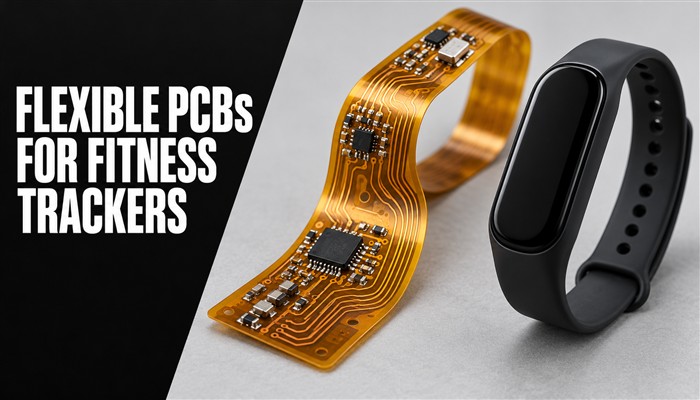
Flexible printed circuit boards, or FPCBs, are thin circuit boards that can bend and fit into small spaces. They connect electronic parts in devices like phones, cameras, sensors, and wearables. Different FPCB structures are used for different needs, such as simple wiring, complex circuits, strong support, or repeated movement.
Main Types of FPCB Based on Structure
Knowing these types helps you choose a board that matches the device design.
1. Single-Sided FPCB
A single-sided FPCB is the simplest flexible circuit structure. It has one conductive copper layer on one side of a flexible base. The other side may be bare or covered with a protective film. This type is used when the circuit design is basic and does not need many connection paths. It is thin, light, and easy to bend, which makes it useful for small electronic products.
Key Features:
- One conductive copper layer
- Thin, lightweight, and flexible
- Lower manufacturing cost
- Suitable for simple circuit layouts
Common Applications:
- LED lighting strips
- Sensors
- Printers
- Calculators
- Small consumer electronics
2. Double-Sided FPCB
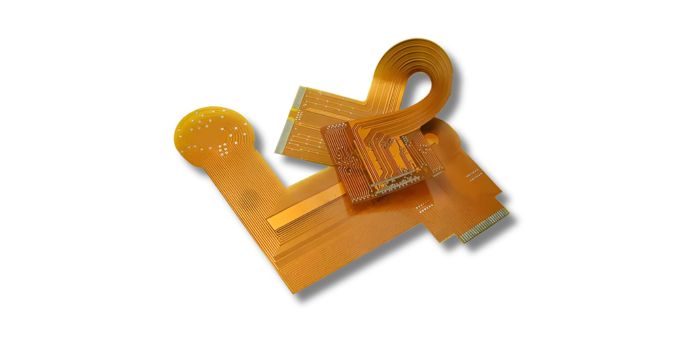
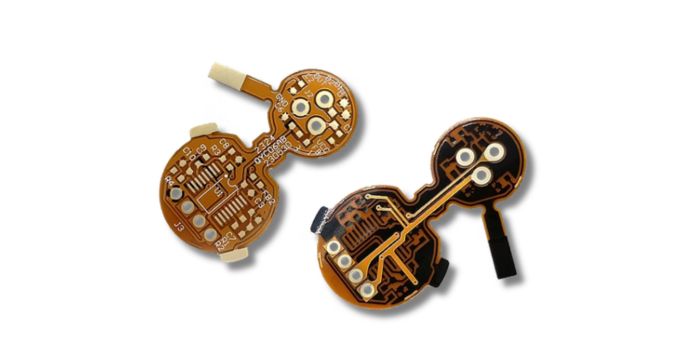
A double-sided FPCB has conductive copper layers on both sides of the flexible base material. The two sides can be connected through small holes called vias. This gives the board more routing space than a single-sided FPCB. It is used when a device needs more connections but still needs a thin and flexible circuit.
Key Features:
- Copper circuits on both sides
- Vias connect the two layers
- Higher circuit density
- Better for medium-complexity designs
Common Applications:
- Mobile phones
- Tablets
- Automotive dashboards
- Wearable electronics
- Industrial control systems
3. Rigid-Flex PCB
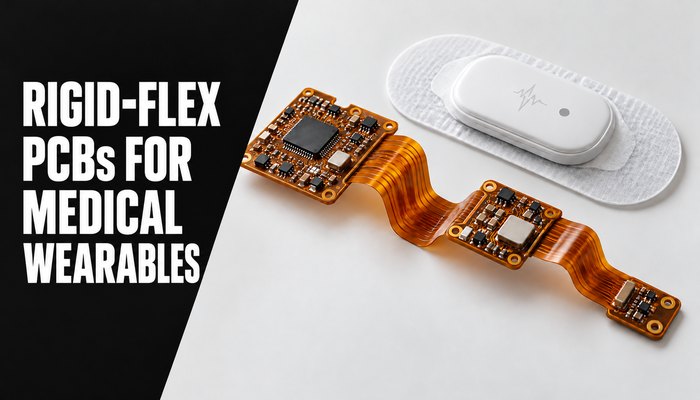
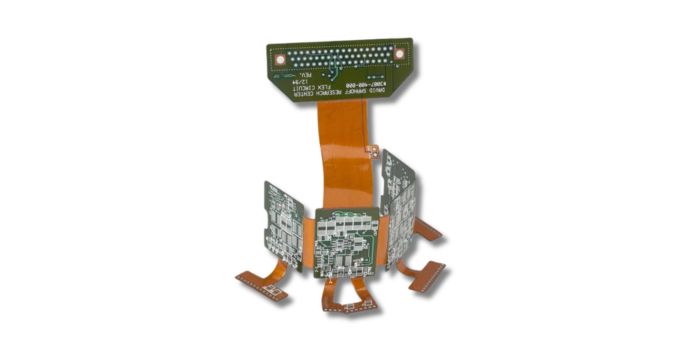
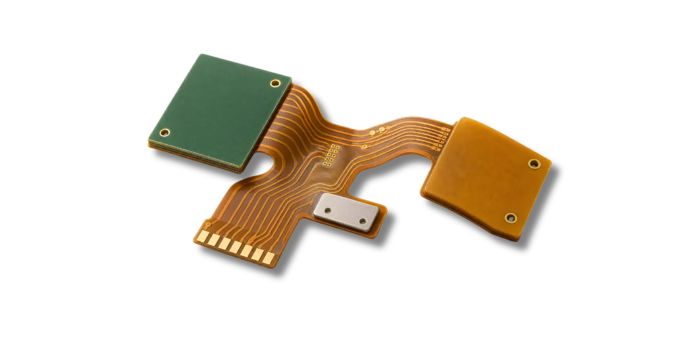
A rigid-flex PCB combines flexible circuit sections with rigid board sections. The flexible parts can bend or fold, while the rigid parts hold components and connectors in place. This structure helps reduce extra wires and connectors inside a device. It is often used in products that need both strength and flexibility.
Key Features:
- Mix of rigid and flexible sections
- Supports bending and stable mounting
- Reduces wires and connectors
- Improves reliability in compact devices
Common Applications:
- Foldable smartphones
- Camera modules
- Medical devices
- Aerospace electronics
- Wearable technology
4. Multilayer Flexible PCB
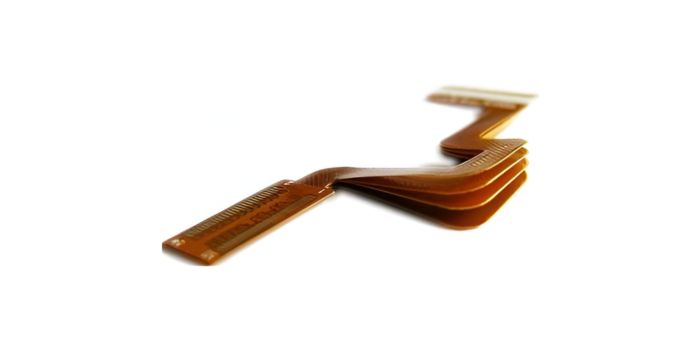
A multilayer flexible PCB has three or more conductive copper layers. These layers are stacked with flexible insulating materials between them. The layers are connected through plated holes. This type is used for advanced circuits that need many signal paths in a small area. It gives better routing options than single-sided or double-sided FPCB.
Key Features:
- Three or more copper layers
- High circuit density
- Supports complex circuit layouts
- Better signal control and performance
Common Applications:
- Smartphones
- Tablets
- Medical imaging devices
- Aerospace equipment
- Industrial control products
5. Split and Dual Access FPCB
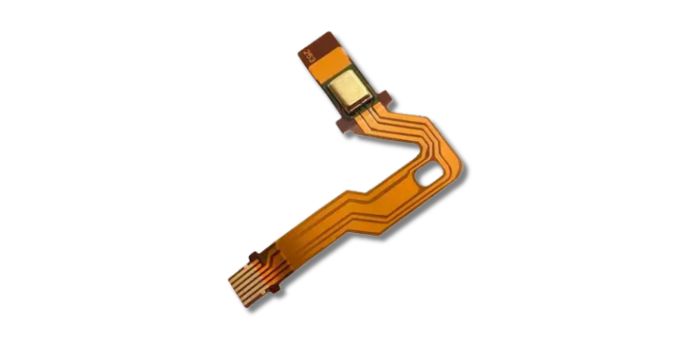
Split and dual access FPCBs are used when a circuit needs special access points or separate connection areas. A split FPCB can have different branches or tails from one main board. A dual access FPCB, also known as two-sided access FPCB, allows copper areas on both sides to be accessed for connection, testing, and assembly. This makes connection, testing, and assembly easier.
Key Features:
- Separate branches or access areas
- Copper can be reached from selected sides
- Helps connect different parts of a device
- Useful for custom circuit designs
Common Applications:
- Durable electronic connectors
- Compact electronic modules
- Custom electronic parts
- Devices with limited internal space
6. Single-Layer Flex PCB with Stiffener
A single-layer flex PCB with stiffener has one flexible circuit layer and an added support piece. The support piece is called a stiffener. It is placed in areas that need to stay firm, such as connector or component areas. This type is useful when the board must bend in some places but stay strong in others.
Key Features:
- One flexible circuit layer
- Added stiffener for support
- Stronger connector and component areas
- Lower cost than rigid-flex PCB
Common Applications:
- Mobile phone keypads
- LCD display connections
- Touch panels
- Camera modules
- Consumer electronics
How to Choose the Right FPCB Structure?
Choosing the right FPCB structure depends on the circuit design, bending needs, available space, durability, and budget. A simple product may only need a single-sided FPCB, while a compact and advanced product may need a double-sided, multilayer, or rigid-flex PCB.
Circuit Complexity
Circuit complexity means how many signals, parts, and connection paths the board must support. For simple circuits, a single-sided FPCB is usually enough. If the design needs more routing space, a double-sided FPCB is a better choice because it has copper on both sides.
For advanced products, a multilayer flexible PCB may be needed. It can support more layers, more signals, and better circuit control in a small area.
Flexibility Needs
Flexibility depends on how often the board needs to bend. If the board bends often, it should be thin and simple. Single-sided FPCBs are usually better for repeated bending because they have fewer layers.
Double-sided and multilayer FPCBs can bend, but they are thicker and less flexible. Rigid-flex PCBs are useful when some parts need to bend and other parts must stay firm. Vias, solder joints, and heavy parts should be kept away from bend areas.
Space and Weight Limits
FPCBs are often used because they save space and reduce weight. A single-sided or double-sided FPCB can replace bulky wires and help keep the device thin.
If the design has several parts in tight spaces, a split FPCB or rigid-flex PCB may work better. Split designs can reach different areas, while rigid-flex boards can fold into a compact shape and reduce extra connectors.
Durability Requirements
Durability means how well the FPCB can handle movement, stress, heat, vibration, and daily use. If the product will face frequent bending or shaking, the structure must be strong enough for that use.
A flex PCB with stiffener is helpful when connectors or component areas need support. Rigid-flex PCB is also strong because it reduces loose wires and extra connection points.
Production Cost
Cost depends on the number of layers, materials, vias, stiffeners, and manufacturing steps. Single-sided FPCB is usually the most affordable option. Double-sided FPCB costs more but gives better routing.
Multilayer flexible PCB and rigid-flex PCB are more expensive because they need more complex production. However, they can be worth the cost when they reduce connectors, save space, improve performance, or increase reliability.
Conclusion
FPCB structure affects how a circuit bends, connects, fits, and performs. Single-sided and double-sided FPCBs work well for simpler designs, while multilayer and rigid-flex PCBs support advanced devices. Split, dual-access, and stiffened flex boards solve special needs. The right choice depends on space, movement, strength, complexity, and cost.
MV Flex Circuit is a specialized manufacturer of flexible and rigid-flex printed circuit boards, with full production capabilities to support all structural types covered in this guide.
We produce single-sided, double-sided, and multilayer flexible PCBs up to 8 layers, as well as rigid-flex PCBs with up to 20 layers, covering requirements from simple consumer electronics to high-complexity industrial, medical, and aerospace applications.
Submit your Gerber files today to get your free professional DFM review and a customized project quotation.