

Introduction
Rigid-flex PCBs merge rigid boards with flexible layers in one unit. Modern portable devices are thinner, lighter, and bendable. These boards fit into compact spaces while staying durable. That’s why rigid-flex PCB are ideal for portable devices. Let’s explore their main benefits and challenges.
What Is a Rigid-Flex PCB?
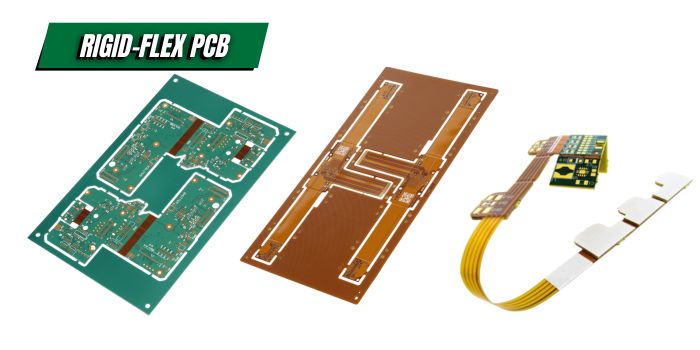
A rigid-flex PCB is a printed circuit board built with both solid and bendable layers. The stiff parts give strength and hold the electronic parts in place. The flexible areas allow the board to bend or fold so it can fit into unusual shapes.
This design removes the need for many connectors and wires, which saves space and lowers failure risks. Because of this, rigid-flex boards work well in small, lightweight products. Devices like smartphones, watches, fitness bands, and medical wearables rely on them for compact size and dependable performance.
Challenges with Rigid Printed Circuits and Flex Circuits
Issues with Rigid PCBs
Rigid boards add strength and can resist shocks. They also provide some shielding against EMI and RF interference. But they have major limits in portable designs. These boards need many connectors, solder joints, and wire contacts to complete all the necessary links. Every extra connection increases the chance of failure.
Connectors also use up valuable space and add weight. In some cases, the device casing must be enlarged to fit the board. Another drawback is that rigid boards cannot bend or curve, making them unsuitable for compact or shaped devices.
Issues with Flex Circuits
Flex circuits bend and fit around moving parts. They are thin and lightweight, which makes them useful where size and weight are limited. This allows them to fit into compact devices without blocking other functions.
However, flex circuits still require connectors and solder joints to link with rigid sections. These extra parts take up space and do not remove many interconnect points. Flex boards can also wear out when bent too often. Their thin layers give little support for large components. In complex layouts, problems like signal loss or noise may also appear.
Advantages of Rigid-Flex PCBs
Rigid-flex PCBs bring many benefits for modern devices. They save space, improve strength, and support creative designs. Here are the key advantages.
Smaller Packaging
Instead of using separate rigid boards and wiring, a rigid-flex design brings everything into one compact unit. This greatly lowers the need for wired connections and can sometimes remove them completely. The flexible layers are about 10% the size and weight of cable-based solutions.
This allows products to be built smaller, lighter, and more efficient. A single rigid-flex board can fit in spaces where multiple rigid boards and connectors would not. Its ability to bend tightly also creates interconnect options that traditional designs cannot achieve.
Enhanced Reliability
Using multiple rigid boards often means adding many interconnects. Each crimp, solder joint, or connector not only consumes space but also increases the risk of failure. If a device is dropped, these weak points can break. In critical fields like medical and military, even small failures can have serious results.
Rigid-flex designs greatly reduce these risks. With fewer interconnects, they hold up better against shock and vibration. Drop tests show that performance remains stable because weak points are minimized. The lighter weight of rigid-flex boards also lowers stress on the assembly, improving overall reliability.
Durability
Another advantage is durability. Rigid-flex PCBs withstand mechanical stress, vibration, and repeated movement. They also perform well under changing temperatures. This toughness makes them reliable in harsh and demanding environments.
Design Flexibility and 3D Integration
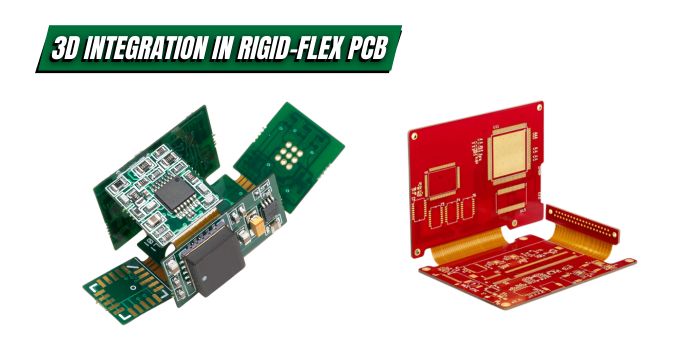
Rigid-flex PCBs give more design freedom than standard rigid boards. The flexible layers can bend into three-dimensional shapes. This makes it possible to fit circuits inside thin, curved, or unusual housings. 3D integration is a big advantage for small portable devices.
These boards also carry high-speed signals with stable performance. Controlled impedance helps them handle complex loads.
Rigid-flex PCBs are also built for tough conditions. They resist corrosion, chemicals, and UV light. They can tolerate heat up to 200 °C and release excess heat safely. These features make them dependable for aerospace, military, and medical devices.
Possible Cost Savings over time
Rigid-flex PCBs can lower overall costs for many projects. They use fewer materials and are easier to assemble. Smaller, lighter packaging also means less material is needed for the final product. Savings come from reduced parts, fewer connectors, and simpler builds.
These boards accept the same components used in standard rigid circuits. No special connectors are required to join the rigid and flexible sections. This keeps the design straightforward and avoids extra expenses.
Assembly is also simple. A rigid-flex board can only be installed in one position. This lowers the chance of mistakes and reduces costly rework.
Flexible and Rigid-Flex for Portable Devices
Flexible and rigid-flex PCBs are well suited for electronics where space and weight are limited. Every part must fit and work correctly without adding friction or tangled wiring. Flexible circuits help by reducing the number of connectors and separate parts. Copper traces are etched onto flexible materials such as polyimide, PTFE, or FR-4. These layers allow the board to bend and wrap around components. This design removes the need for extra space and creates a compact, reliable device.
Polyimide is lightweight and compact, so it doesn’t add bulk to the device. This helps designers include more features while still meeting the size and weight limits of portable products.
Applications of Rigid-Flex PCBs
Consumer Electronics Devices
Rigid-flex PCBs are widely used in small, everyday gadgets. They are found in smartphones, tablets, GPS units, smartwatches, and digital cameras. These boards help save space and reduce weight. Their flexible parts allow tight folding, which fits electronics into smaller cases without extra wires.
Medical Electronics
Many medical devices need to be small and dependable. Rigid-flex PCBs are used in hearing aids, pacemakers, wearable monitors, and cochlear implants. These boards are light, bendable, and stable during motion. They support curved designs and perform well in active, daily use.
Military and Aerospace
Rigid-flex PCBs are built for tough environments. They can resist shock, vibration, and high heat. That’s why they are used in radar tools, satellites, handheld GPS, and missile systems. These boards improve reliability by reducing connectors, which lowers the risk of failure.
Industrial Equipment
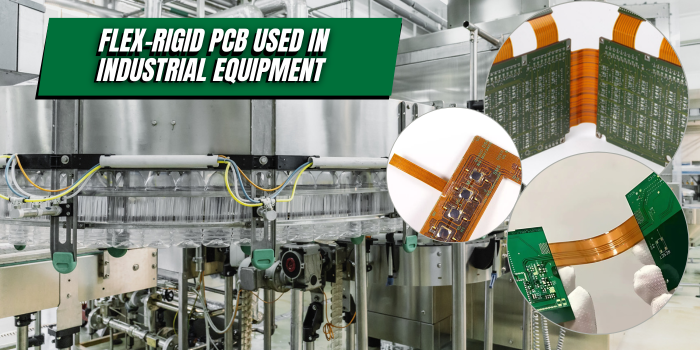
Machines and automation systems also rely on rigid-flex PCBs. These boards are used in barcode scanners, robotic arms, smart sensors, and factory tools. They can handle heat, chemicals, and constant movement. Their design helps save space and improve performance over time.
Rigid-Flex PCB Design and Manufacturing Challenges
Designing circuit boards for portable devices can be difficult. These devices need boards that are small, flexible, and reliable. They must survive drops, vibration, and changing temperatures.
Flexible PCBs offer bending ability, but they may not resist shock or heat well. Rigid-flex PCBs help solve this. They combine flexible layers for movement with rigid layers for strength. This balance helps prevent cracks or damage during use.
Materials like PTFE and FR-4 are often used. These support stability and allow the board to handle temperature changes without failure.
Both flex and rigid-flex boards can be made with multiple layers. This increases functionality without adding more space or weight.
Producing these advanced boards requires specialized tools and careful processes. High accuracy is needed to meet tight tolerance and quality standards.
Key manufacturing methods include:
- X-ray drilling for layer alignment
- Laser drilling and routing for fine features
- Laser direct imaging for precise patterns
- Plasma etching for material removal
- Autoclave lamination for strong bonding
- CNC & Optical Machining for clean edges and shapes
Using the right tools allows better control over drill depth, improved layer bonding, and higher yield. The choice of equipment depends on the design goals, performance needs, and available budget.
MV Flex Circuit: Your Experienced Rigid-Flex PCB Manufacturer
Conclusion
Rigid-flex PCBs are a smart choice for today’s portable devices. They offer flexibility, strength, and space-saving benefits. This technology supports modern electronic devices by improving reliability and reducing wiring. As designs get smaller and smarter, rigid-flex solutions help meet the demands of advanced technology across many industries.
FAQs About Rigid-Flex PCBs
Are Rigid-Flex PCBs Only for Portable Devices?
No. These boards are great for portable products, but they are used in many other areas too. Industries like aerospace, military, automotive, medical, and retail also rely on rigid-flex PCBs. Their compact size, strength, and reliability make them useful in many different applications.
Do Rigid-Flex PCBs Cost More Than Rigid or Flex Alone?
Yes, the upfront cost is usually higher. Rigid-flex boards can cost several times more than standard rigid or flex-only boards. However, they may reduce total costs over time. That’s because fewer connectors, less wiring, and easier assembly can save both time and money.
How Does Bend Radius Affect Rigid-Flex PCB Reliability?
Bend radius is very important. If the board is bent too tightly, the copper layers can crack or peel. This can lead to signal issues or failure. For simple bends, the radius should be at least 6 times the board’s thickness. For frequent bending, a much larger radius—up to 100 times—is safer.
Can Rigid-Flex PCBs Handle High Temperatures and EMI Shielding?
Yes. These boards use materials like polyimide, FR-4, and PTFE. They can handle heat up to 200°C. EMI and RF shielding can also be added using copper or special films. This keeps signals clean while the board stays flexible.


