

Introduction
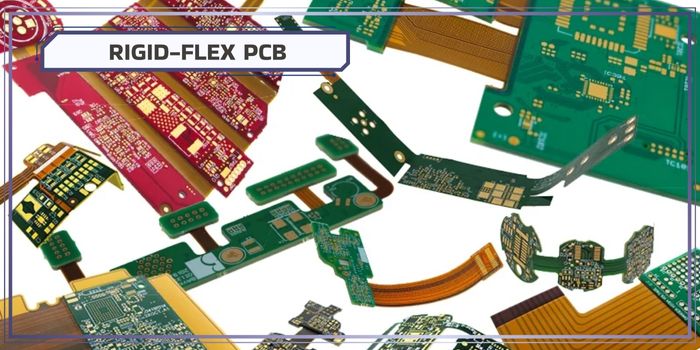
A printed circuit board that has both the rigid and flexible section combine into a single design unit is referred to as a rigid flex PCB. They are lightweight, bendable, and are used by manufacturers in electronic products that have small spaces and complex designs. This article explains the future role of rigid flex PCBs in electronics manufacturing.
Why Rigid Flex PCBs Are Used?
Electronic device manufacturers use a rigid flex PCB when they need boards to be both rigid and flexible to attain certain functionality. It helps them in creating a compact device with high performance and functionality. Moreover, these PCBs help reduce space, weight, and potential connection problems. Manufacturers use them in many industries to improve device functionality and durability.
Reasons why modern electronic device manufacturers use rigid-flex PCBs?
Firstly, rigid flex circuit boards have bending capabilities that help reduce the overall device size. They make use of fewer connectors, which reduces points of failure.
Secondly, rigid flex boards are lighter in weight compared to traditional printed circuit boards. They provide support to complex circuits and deliver high-speed signals.
Electronic Applications That Need Rigid Flex PCBs
Some electronic devices need small and strong circuit boards to work well. Rigid flex PCBs fit perfectly in these devices and make them more reliable.
Healthcare and Medical Devices
Healthcare and medical devices require high reliability. To function properly, they also need efficient signal transmission. Any failure in signal transmission or device functionality can affect a patient’s safety. To maintain efficient signal transmission, manufacturers use rigid flex circuits. They reduce the number of connectors that are usually the point of failure.
Regarding the health care and medical applications, you will see rigid flex medical PCB in:
- Wearable health monitors
- Pacemakers (implantable device)
- Diagnostic machines
The flexibility of these circuit boards allows manufacturers to easily fit them into devices where spaces are small and irregular. Additionally, rigid flex circuits have less wiring complexity. This helps devices remain lighter without any effect on their functionality.

Real Example: Role in Prosthetic Limb Design
Prosthetic limbs combine mechanical parts and smart electronics to help users move naturally. The sensors, microcontrollers, and power systems inside these devices need a reliable circuit design. That is why manufacturers use rigid flex PCBs.
Additionally, these boards can bend and fit into the irregular spaces of a prosthetic limb. Plus, they efficiently handle the devices during constant movement.
For example, the rigid part can hold a microcontroller, and the flexible part connects to muscle sensors. This design reduces wiring and signal loss. Moreover, it cuts down on connectors and solder joints, which improves reliability. It also helps the device work smoothly every day.
Smartphones and Portable Devices
Foldable smartphones and other portable devices like smart watches are in high demand nowadays. These devices also need compact and lightweight circuit solutions. That is where rigid flex circuits come in play. They let manufacturers combine multiple boards into a single unit. This helps them save space.
Additionally, the flexible foldable PCBs have good bending capabilities. They easily fit into tight spaces. This ability lets manufacturers fit more features while using a small device. Moreover, rigid flex PCBs also help in increasing the efficiency of battery-powered devices.
Overall, rigid flex technology allows handheld devices to be:
- Smaller
- Faster
- More reliable
And these are the things that keep up with modern consumer expectations.

Defense and Military Applications
Electronic equipment used by the military often operates in harsh environments. They must tolerate extreme conditions such as:
- Vibrations
- Shocks
- Temperature fluctuations
Rigid flex circuit boards are ideal for such conditions. They are more durable than ordinary printed circuit boards. In fact, they have the ability to resist shocks and temperature fluctuations. Manufacturers prefer to use them while manufacturing military equipment. No matter whether they are portable or vehicle-mounted.
You will find the use of military PCB in different military applications, such as:
- Communication systems
- Navigation tools
- Advanced control systems
- Radars
This is all because of the combination of strength, flexibility, and reliability of rigid flex boards. Plus, they ensure that the functionality of military equipment remains intact even in harsh conditions.

High-Speed Communication Devices
Modern communication devices (e.g., routers or wireless systems) are dependent on circuit boards for functionality. They need a circuit that transfers signals fast and efficiently without interference.
Rigid flex PCBs provide them with controlled impedance connections between different rigid areas. This helps devices deliver high-speed data transmission. Additionally, flexible sections help distribute circuits across multiple rigid boards. Moreover, while distributing, they maintain signal quality.
Rigid flex boards also provide shielding. In fact, they are also good at routing complex traces in a small area with high signal transfer efficiency. This enables the device to communicate more reliably without breaking or interference.
Commercial & Industrial Products
Rigid flex PCBs are not just for high-end electronics. They also benefit commercial and industrial products. These boards help simplify assembly. Moreover, they reduce the number of connectors, which lowers production costs. They are commonly used in:
- Industrial machines
- Automation equipment
- Smart control modules for refrigeration compressors
- Commercial electronic products
Rigid flex designs allow more functionality in the same footprint. They improve durability and reduce maintenance needs. These industrial circuit boards also speed up assembly and reduce human errors. This is a benefit for large-scale industrial production.

The Future of Rigid Flex PCB Technology
The future of rigid flex PCB technology looks very promising. New improvements in manufacturing and materials are making these circuits better. As an example, you can use 3D printers with flexible rigid PCBs to create custom designs faster. Also, new conductive inks and nanomaterials can make circuits more powerful and flexible. As electronic parts become smaller, rigid flex boards will support even more compact devices. Moreover, manufacturers are moving toward eco-friendly materials and energy-saving production methods. These changes will make future rigid flex PCBs:
- More efficient
- Durable
- Sustainable
For modern electronic applications.
MV Flex Circuit: 20-Year Expert Rigid-Flex PCB Manufacturer
As a professional manufacturer of rigid-flex PCBs with over 20 years of production experience, we offer reliable and precise solutions for your complex projects. Our solutions serve demanding industries including medical, consumer electronics, and defense.

Our factory is equipped with advanced laser drilling and laser depaneling equipment, ensuring ultra-precise processing of complex designs. In addition to rigid-flex PCB manufacturing, we offer one-stop turnkey assembly services. Our SMT factory is equipped with 8 SMT lines to meet your rapid prototyping and volume production needs.
All production processes we strictly follow IPC Class 2/3 standards. Every circuit board undergoes 100% E-test, AOI, and ICT testing to guarantee consistent quality.
Ready to start your rigid-flex PCB project? Send your project specs to sales@flexiblepcbboard.com for a free technical review and detailed quote today!
Conclusion
The future of rigid flex PCB technology looks bright. With new materials and advanced manufacturing methods, these boards will become more powerful and eco-friendly. As electronics become smaller and smarter, the need for reliable circuits is growing fast. Manufacturers should rely on rigid flex PCBs. They help build efficient and sustainable electronic devices for the future.
Quick Summary
- The global rigid flex printed circuit board market is expected to cross $5.8 million by 2028.
- Medical devices like wearables and implants can use these boards for better reliability and fewer failure risks.
- Handheld and portable devices benefit from compact designs with higher connection density.
- Military and defense use them for lighter, stronger, and more shock-resistant equipment.
- Commercial and industrial sectors can save money. Rigid flex boards require fewer parts and support faster PCB assembly.


