Introduction
You have a never-ending need for compact, more efficient electronic components. To address this challenge, you require a dependable means of connecting parts in tight spaces. The Flex Connector PCB offers a flexible solution. It is a key component for which space, weight, and flexibility are your top priorities.
What is a Flex PCB Connector?

A Flex PCB connector is a special component that makes a solid connection between flexible circuits and other electronics. It is also sometimes referred to as a flex circuit connector or an FFC/FPC connector.
These connectors transmit power, signals, and data between different boards or components. Their most notable feature is their flexibility, which makes them ideal for small devices or applications that involve frequent movement.
Types of Flex PCB Connectors
You will come across numerous FPC connectors, each for a particular requirement. These flexible PCB connectors can be found in different styles to meet various mating options and applications. Let’s discuss some of the most popular FPC connectors you’ll encounter.
ZIF (Zero Insertion Force) Connectors

A ZIF connector is used when you want to connect and disconnect a cable easily and frequently. The name itself suggests that no force is needed to insert the flex circuit. A small actuator or lock then clamps down to hold the connection in place. The design is done so as not to damage the delicate cable during assembly. You will find the ZIF connector mostly on laptops and handheld electronics.
LIF (Low Insertion Force) Connectors

A LIF connector offers a nice balance between usability and a highly secure connection. Mating the cable takes only a small amount of force, enough to hold it. You would use a LIF connector when you want some retention force to avoid accidental disconnection. It still makes a good connection, but is easier to use than the traditional friction-fit connectors.
FPC-to-Board Connectors
This flex-to-board connector connects a rigid PCB to a flexible circuit. It’s a convenient, solid method for mounting flex circuits into an assembly. You solder one piece to the rigid board and the other to the flex cable. This is a secure, semi-permanent connection between the two types of boards.
Flex PCB Edge Connectors

Using this design, your connector is built directly into the edge of your flexible circuit. Conductive traces lead to the edge of the flex PCB, creating a “card” that you can plug into a socket. This is a very simple and straightforward approach, with no need for a separate connector component. It is an effective method of getting your flex circuit directly onto another board.
Rigid-Flex Connectors

When using rigid-flex boards, you require connectors that accommodate their special design. Typically, you install typical FPC connectors onto the rigid areas of the board. This is done to add mechanical strength and a solid base for components. The flexible regions can then flex freely between these secure connection points, which is ideal for complex assemblies.
FPC (Flexible Printed Circuit) Connectors

These connectors are designed to work with thin, flexible material circuits such as polyimide. The complexity of your design will decide if you require a single-layer, double-layer, or multi-layer flex circuit connector. FPC connectors are ideal for compact modern devices because of their compact size and excellent signal integrity. Cameras, touchscreens, and wearables are typical applications of FPC connectors.
FFC (Flat Flexible Cable) Harness Connectors

You use an FFC/FPC connector with flat, ribbon cables and evenly spaced conductors. These pre-assembled cables are convenient and efficient to install and maintain. They offer a straightforward, structured solution for easy board-to-board connections. FFC connectors are an economical option for most consumer electronics, such as display screens and printers.
FPC vs. FFC Connector

You may consider using an FPC or FFC connector in your design. The primary distinction comes down to the cable itself. FPC connectors are used with very customizable circuits printed onto a flexible substrate. FFC connectors, on the other hand, utilize easier-to-produce, pre-fabricated flat ribbon cables. This brief comparison should guide you.
| Feature | FPC (Flexible Printed Circuit) | FFC (Flat Flexible Cable) |
| Cable Structure | Custom-etched copper circuit | Standard flat ribbon cable |
| Customization | Highly customizable layout | Fixed conductor layout |
| Ideal Use Case | Complex, dynamic applications | Simple, cost-sensitive connections |
Your decision is based on your application’s budget and complexity. An FPC is usually the better option if you require a custom-routed, durable solution for a flexing device. For simple connections where cost is a strong consideration, an FFC offers a great, cost-effective solution.
Benefits of Flex Connector PCBs

Using a flex circuit connector provides tremendous value in electronics design today. You can make smaller, lighter, and stronger products that fit into complex areas. Flex connector advantages assist you in overcoming general design obstacles. Let’s see how they can enhance your next project.
Flexibility and Adaptability
Flex circuits are famous for fitting in small or irregularly shaped areas. They can be bent and folded to maximize the use of all the space in an enclosure. This enables you to route the connections in small channels and around obstacles, making them ideal for building compact and innovative electronic devices.
Space and Weight Efficiency
Flex circuits can significantly minimize your product’s size and weight. They eliminate bulky standard wiring and redundant rigid boards with a streamlined solution. Through connection consolidation, you reduce the need for additional components and connectors, which is critical in achieving true miniaturization in your designs.
Enhanced Reliability
Flex circuits make a more reliable connection, particularly in vibrating or moving devices. You eliminate many possible failure points, including wire and board-to-board solder joints. There is a single, integrated circuit that contains fewer interconnects, lowering the possibility of connection loss. This results in a stronger and more reliable final product.
Thermal Management
You must manage heat in your design. The flex circuit material does not conduct heat very well, but its thin profile provides an advantage. The flex circuit can be mounted directly to a metal frame or heat sink such as ceramic heat sinks. This allows heat to escape easily from hot components. This basic measure will make your product more reliable and last longer.
Applications of Flex Connector PCBs
Flex connectors are found in a wide range of modern electronics. Due to their ability to twist and bend into small spaces, they are critical for today’s smaller, lighter devices. Many industries rely on these connectors to enhance performance and reliability. Typical FPC connector applications include consumer devices and critical military equipment.
Consumer Electronics

You’ll see flex circuits inside your smartphone, tablet, or laptop. You rely on them to assemble critical components such as displays, cameras, and batteries in a very compact space. The demand for thinner and lighter devices creates a need for flexible PCB connectors. They make the compact and high-function designs you use every day.
Automotive Industry
Modern vehicles rely heavily on flex connectors. You may spot them in infotainment screens, dashboard gauge clusters, and advanced driver-assistance systems (ADAS). As vehicles continue to grow more technically complex, flex circuits provide the reliable connectivity required. Flex circuits withstand the vibrations and temperature changes typical of car environments while saving crucial space.
Medical Devices
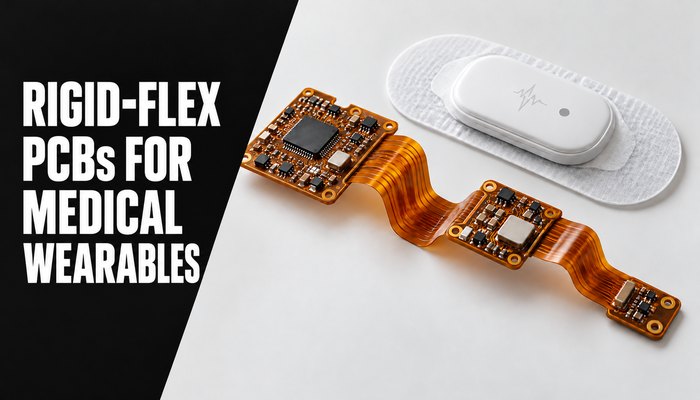
In the medical field, flex connectors enable the design of comfortable wearable monitors and accurate diagnostic devices. They can route signals through the articulating sections of an endoscope or ultrasound probe. Their flexibility allows more ergonomic and patient-friendly device designs, ensuring both comfort and assured real-time data collection.
Industrial Automation
You require durable and reliable connections for industrial equipment exposed to harsh environments. Flex circuits are ideal for robotic arms and conveyor systems with repetitive, constant motion. They can withstand vibrations, dust, and temperature swings better than standard wiring. This helps your automated systems move efficiently and effectively with less downtime.
Aerospace and Defense
When performance in extreme conditions is non-negotiable, you use flex circuits. They offer essential weight reductions that are critical for satellites and aircraft. For military applications, you can see them in mission-critical systems such as missile guidance and surveillance. Their high reliability makes the flex circuit connector a go-to for aerospace and defense.
Design Considerations for Flex Connector PCBs
When designing with flex circuits, careful planning is essential for success. Several important factors affect the performance and reliability of your end product. Being very attentive to these details ensures you produce an excellent and efficient design. Let us go through the key aspects of choosing FPC connector parameters for your application.
Material Selection
Selecting the proper materials is your first crucial step. Polyimide is generally applied to the flexible base due to its heat resistance and strength. Copper is the standard for the conductive pathways due to its high conductivity. Your material selection determines the circuit’s flexibility, heat management capability, and durability.
Layer Configuration
You must choose how many layers your flex circuit will have. A single-layer is easy and cost-effective for basic connections. A double-layer or multi-layer may be needed for more complex routing. Higher numbers of layers provide greater component density and more complicated designs, affecting factors such as the FPC connector pitch you can use.
Bend Radius

The bend radius is among flex circuit design’s most critical design parameters. It establishes the minimum bend you can put on the circuit without damaging the copper traces. Your material selection and the overall thickness of the circuit will influence the radius. You must always design within this limit to prevent cracking and maintain long-term reliability.
Thermal Management
Heat is also a significant problem in compact electronic devices. You need to consider how you will dissipate heat when your flex circuit is in use. That means you select components with high thermal properties. You may also have to incorporate thermal vias or small heat sinks to cool sensitive components.
Mechanical Stress
Your flex circuit will bend, twist, or vibrate throughout its lifetime. You must make it so it can survive these mechanical stresses without failing. Strong materials and stress-relief features, such as rounded corners on traces, are essential. This guarantees your circuit maintains its electrical performance even under physical stress.
Signal Integrity
For high-speed designs, clean signals are crucial. To reduce signal loss and interference, the routing of your traces must be carefully designed, usually through controlled impedance routing and shielding. Proper design will ensure that your data is transmitted accurately, which is crucial for high-frequency circuits.
How to Get Reliable Flex Connector PCBs?
Selecting the right flex PCB connectors is important for everything from small wearables to high-reliability aerospace systems. As a one-stop flex PCB and PCBA partner, we support end-to-end project needs. MV Flex Circuit is the perfect choice for you.
Advanced Manufacturing Capabilities:
- We possess the expertise to manufacture complex flex circuits with up to 8 layers.
- Our advanced process produces wonderful details, featuring line widths and pitch as small as 2.8/2.7 mil.
- We can also produce mechanical drill holes as narrow as 4mil for high-density designs.
Customization Options:
- Our professional procurement team helps quickly source original, traceable connectors for your PCB assembly projects, ensuring component reliability.
- We offer a wide range of choices, allowing you to meet any specific requirements you may have.
- Our capabilities range from board thicknesses of 0.05mm to 0.8mm, high-quality polyimide substrates, and copper layers up to 5oz.
- In addition, we supply a vast choice of surface finishes, such as ENIG, Hard Gold, and OSP.
High-Quality Certifications:
- Our product is ROHS and ISO9001 certified, and we strictly follow IPC Class 2/3 standards to produce and assemble, which ensures that it adheres to international standards of quality and safety.
Quick Turnaround Time: a
- We do not have an MOQ (Minimum Order Quantity), which allows us to do prototyping and testing quickly. Our ESD packaging ensures that your product remains safe in transit.
Conclusion
Flex connector PCBs are a revolutionary part of the electronics world. Their special benefits make them the perfect option for developing more compact and flexible devices. With evolving technology, their use will continue to increase.
Contact MV Flex Circuit and get a quote on your next Flex Connector PCB project today!